
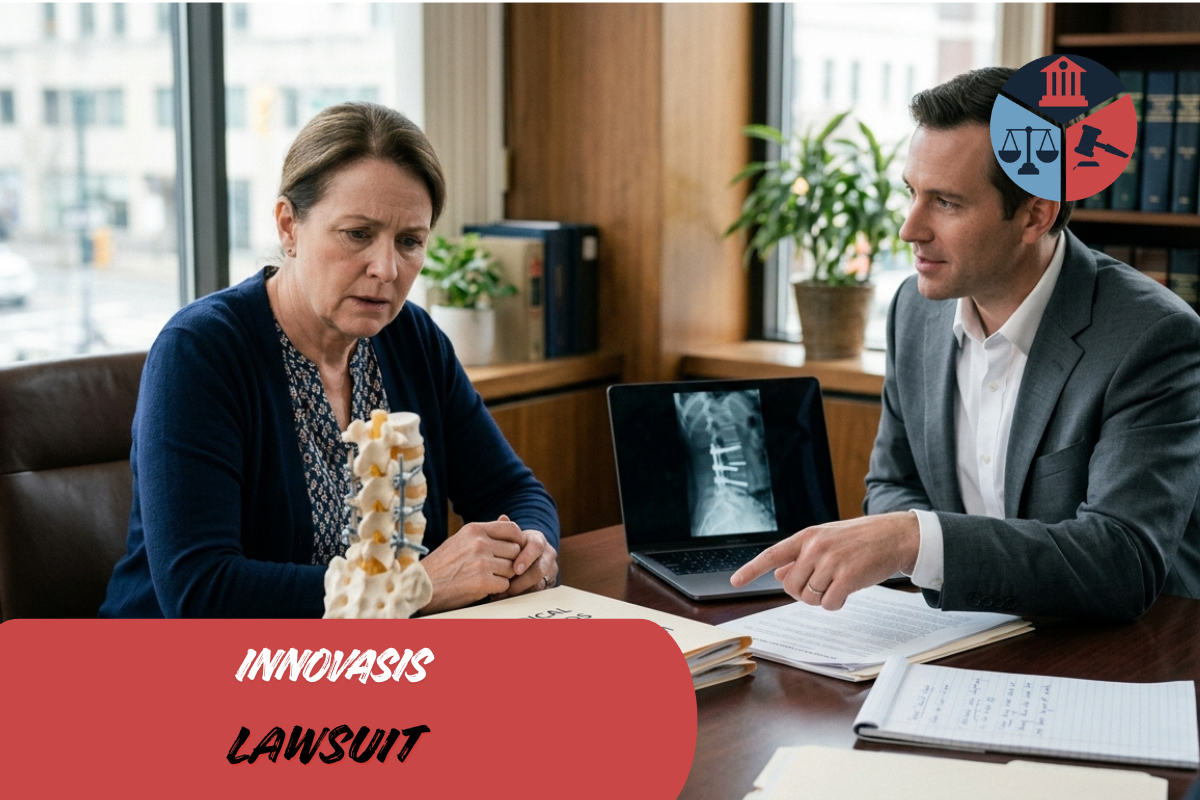
The Innovasis lawsuit has become an important topic for patients, healthcare professionals, and legal experts involved in spinal implant cases. As more people undergo spinal fusion procedures and other back surgeries, concerns about medical device safety continue to grow. Some patients have reported complications after receiving spinal implants, leading to legal claims against medical device manufacturers.
Spinal implant lawsuits are gaining attention because patients who experience serious complications often face long recovery periods, additional surgeries, chronic pain, and financial stress. In some situations, individuals claim that defective spinal implants or manufacturing problems contributed to their injuries. These cases usually fall under medical device liability claims, which involve allegations that a product may have caused harm due to design flaws, manufacturing defects, or inadequate warnings.
The Innovasis lawsuit focuses on concerns connected to spinal implant devices and possible patient injuries linked to those products. While every case is different, lawsuits involving spinal hardware often raise questions about device safety, quality control, and patient protection. This article explains the Innovasis lawsuit, reported complications, possible legal claims, and what patients should know about ongoing investigations and settlement discussions.
Understanding the Innovasis Lawsuit
Innovasis is a medical device company involved in the development and manufacturing of spinal implant products used during spine surgeries. These devices are commonly designed to support the spine, improve stability, and help patients recover from spinal conditions or injuries. Spinal implants may include screws, rods, cages, plates, and other hardware used during spinal fusion procedures.
Lawsuits against medical device companies can happen when patients believe a product caused unexpected harm or failed to perform as intended. In the case of the Innovasis lawsuit, some claims involve allegations related to spinal implant complications, hardware failure, and injuries following surgery. Patients may argue that certain devices were defective, improperly manufactured, or associated with serious medical problems.
It is important to understand the difference between product liability claims and medical malpractice claims. Product liability lawsuits generally focus on the safety and performance of a medical device itself, while medical malpractice claims involve allegations against healthcare providers for errors during treatment or surgery. In some situations, both issues may be part of the same case.
Reported Problems Linked to Innovasis Spinal Implants
Many spinal implant lawsuits involve reports of complications following surgery. Patients sometimes claim they experienced severe pain, limited movement, or additional medical problems after receiving spinal hardware. These complications can significantly affect daily life and may require long-term treatment.
One commonly discussed concern in spinal implant cases is hardware failure. This may involve broken screws, loose implants, shifting hardware, or devices that fail to support the spine properly. When spinal implants do not function correctly, patients may experience worsening pain or instability in the affected area.
Some individuals involved in spine surgery lawsuits also report chronic pain after surgery. In certain cases, patients may undergo a failed back surgery experience where symptoms continue or become worse despite medical treatment. Nerve damage after spinal surgery is another serious concern sometimes linked to implant complications or surgical problems.
Revision spine surgery is often one of the most difficult outcomes for patients. This additional procedure may be necessary to repair or replace failed implants, remove damaged hardware, or address ongoing spinal complications. Revision surgeries can increase recovery time, medical expenses, and emotional stress for patients and their families.
Medical Device Safety Concerns and FDA Issues
Medical device safety is closely monitored by the U.S. Food and Drug Administration, commonly known as the FDA. When concerns arise about spinal implants or other healthcare products, the FDA may review reports of injuries, device malfunctions, or manufacturing issues. These investigations help determine whether a medical device may pose risks to patients.
In some situations, medical device recalls or safety warnings are issued when products are linked to serious complications. FDA adverse event reports can include information about injuries, device failures, or unexpected side effects connected to spinal implants. These reports often play an important role in medical device investigations and legal claims.
Concerns about unsafe spinal implants sometimes involve allegations of manufacturing defects, weak materials, or insufficient product testing. Patients who experience complications may question whether the device met proper safety standards before reaching the market.
Monitoring recalled spinal devices is important for both patients and healthcare providers. Individuals who have received spinal implants may want to stay informed about updates involving device safety, recalls, or ongoing investigations related to their medical treatment.
Reasons Patients Are Filing Innovasis Legal Claims
Patients may file Innovasis legal claims for several reasons, especially when they believe a spinal implant caused unexpected injuries or complications. Some lawsuits focus on defective spinal implant allegations, while others involve claims related to poor product design or manufacturing problems.
Surgical implant injuries can create serious physical and financial challenges. Patients who experience ongoing pain, additional surgeries, or long-term complications may seek compensation for medical costs and other damages. Healthcare product liability claims often argue that a manufacturer failed to provide a reasonably safe medical device.
Orthopedic complications linked to spinal devices can include mobility problems, implant movement, inflammation, and spinal instability. In some cases, individuals also raise concerns about inadequate warnings regarding potential risks associated with the device.
Medical negligence claims may also appear in spinal implant lawsuits when patients believe healthcare providers failed to meet accepted standards of care during treatment or surgery. Each case depends on its own facts, medical evidence, and legal circumstances.
Symptoms and Complications Patients Commonly Report
Symptoms linked to failed spinal implants can vary from person to person. Some patients report severe back pain, neck pain, numbness, weakness, or discomfort that continues long after surgery. Others may experience difficulty walking, reduced mobility, or pain that interferes with normal daily activities.
Spinal fusion recovery complications can sometimes involve infection, inflammation, or delayed healing. In certain situations, implants may move out of place or fail to support the spine correctly. These problems may increase the risk of additional injuries or further medical procedures.
Signs of medical implant failure may include worsening pain, instability, swelling, unusual sensations near the surgical area, or difficulty performing physical activities. Some patients also report nerve-related symptoms such as tingling, burning sensations, or loss of strength.
Long-term complications can affect both physical health and emotional well-being. Chronic discomfort, ongoing treatment, and reduced quality of life are common concerns among patients involved in spinal implant lawsuits. Anyone experiencing unusual symptoms after spine surgery should seek medical evaluation to determine the cause of their condition.
Who May Qualify for an Innovasis Lawsuit?
Eligibility for an Innovasis lawsuit depends on several factors. Patients who experienced complications after receiving a spinal implant may consider speaking with an attorney to understand whether they have a possible legal claim.
Individuals who underwent spinal surgery and later developed serious complications, implant failure, or ongoing pain may qualify for legal action in certain situations. Cases involving defective medical devices, revision surgeries, or unexpected injuries are often reviewed by product liability attorneys.
Medical records are usually important in these lawsuits because they help document the patient’s treatment history, symptoms, and surgical outcomes. Imaging scans, physician reports, and evidence of additional medical procedures may also support a claim.
Every case is unique, and legal eligibility can depend on the specific implant involved, the type of injury reported, and the available medical evidence.
How the Innovasis Lawsuit Process Typically Works?
The legal process for spinal implant lawsuits often begins with a case review by an attorney experienced in medical device litigation. During this stage, lawyers may evaluate medical records, surgical history, and evidence related to the spinal implant.
Investigations into medical device injury claims can involve expert opinions, technical analysis, and reviews of FDA reports or manufacturing records. Attorneys may attempt to determine whether a product defect or safety issue contributed to the patient’s injuries.
Evidence commonly used in spine surgery lawsuits includes medical documentation, imaging results, physician statements, and proof of financial losses. Depending on the complexity of the case, legal proceedings may continue for months or even years.
Patients involved in medical device litigation should understand that the legal process can be lengthy and emotionally challenging. However, many individuals pursue claims to seek compensation and hold manufacturers accountable for alleged product-related injuries.
Innovasis Lawsuit Settlements and Compensation
Settlement discussions are common in spinal implant lawsuits, although outcomes vary depending on the facts of each case. Compensation may include medical expenses, rehabilitation costs, lost wages, and future treatment needs related to spinal injuries.
Pain and suffering claims are also common in lawsuits involving chronic pain, mobility limitations, or reduced quality of life. Patients who require revision surgeries or long-term care may face significant financial and emotional burdens.
Settlement amounts can depend on factors such as the severity of injuries, the cost of medical treatment, evidence supporting the claim, and the long-term impact on the patient’s health. Some cases may resolve through negotiated settlements, while others proceed to trial.
The Role of Attorneys in Spinal Implant Lawsuits
Attorneys play an important role in helping patients understand their legal rights during medical device lawsuits. Product liability lawyers often investigate whether a manufacturer failed to provide safe products or proper warnings about possible risks.
Experienced spinal implant attorneys may work with medical experts, review technical evidence, and negotiate with insurance companies or manufacturers on behalf of injured patients. Choosing a lawyer familiar with medical device litigation can help individuals better understand the legal process.
Patients often ask questions about legal fees, case timelines, settlement possibilities, and the strength of their claims before deciding whether to move forward with a lawsuit.
Innovasis Lawsuit Updates and Ongoing Investigations
Lawsuit developments involving spinal implants can continue to change as new evidence, investigations, or patient claims emerge. Medical device litigation often evolves over time, especially when additional reports of injuries or complications become public.
Future legal actions involving spinal implants may depend on ongoing investigations, safety reviews, or additional patient complaints. Concerns surrounding medical device safety remain an important issue for healthcare providers, regulators, and consumers alike.
Staying informed about lawsuit updates, FDA announcements, and spinal implant investigations may help patients better understand potential risks associated with certain medical devices.
Conclusion
The Innovasis lawsuit highlights growing concerns surrounding spinal implant safety, medical device complications, and patient injuries following spine surgery. Patients involved in these cases often report chronic pain, hardware failure, revision surgeries, and other serious health problems that affect daily life.
Understanding spinal implant risks and possible legal options is important for individuals who believe they were harmed by a defective medical device. While not every complication results in legal action, patients may choose to explore their rights if they experienced unexpected injuries linked to spinal implants.
As medical device investigations continue, staying informed about product safety, FDA updates, and legal developments can help patients make informed decisions about their health and potential legal claims.
